Writing this book has required me to completely rethink everything I knew about world history, and I wouldn’t have it any other way. Let me explain.
I wrote the original novella with a Hollywood-level understanding of espionage. That is all well and good for anything written for one’s own entertainment, but as I expanded the world, I needed more detail. Knowing how to accurately describe a brush pass helps me write a good scene. There is also the opportunity to learn fun little details, like how modern hearing aid technology grew out of a failed attempt to shoot audio surveillance equipment out of bullets.
World War II espionage is endlessly fascinating for me. Technology was accelerating rapidly, but a lot of the work was still analog. The disruption of routes of communication made remote surveillance complicated. Ordinary people were drawn into wild, dramatic work, translating clandestinely recorded conversations between German admirals and hunting down documents. But as I dug into the history of espionage, I found fewer fun stories and more instances of big, powerful countries playing fast and loose with international law to get what they wanted out of the world order. Needless to say all this happened with great disregard for the ordinary people whose lives would be impacted by the machinations of leaders far away.
I was an anthro major, I had a big Victoriana phase, you would think I would have a high tolerance for my deep dives starting with “This is so interesting!” and ending with “OH MY GAWDS THEY DID WHAT???”
I don’t have that tolerance, though, and as I started looking at my spies, sneaking about and casually commenting on how they could change the world order with a single coded message, I began to get vibes of neocolonialism and ick.
Kicking the tires of my fictional world, I began to ask more questions. If the CIA has this much “of course this is a good idea” energy after three quarters of a century, what would that attitude look like after several hundred years? Another thing that made me wonder: spy agencies collect people wherever they go. Double agents, translators, sympathetic locals who have access to vehicles and strategic rooftops. When the assignment is over, these people may choose—or need to—leave their home country. What kind of community might they build on a small, cold island? And what if someone from a country whose people were on the receiving end of invade first, strategize later world policy claimed a seat on the spy agency’s executive board?
Those questions were the opening of a series of deep dives. And I have never met a deep dive I will not take.
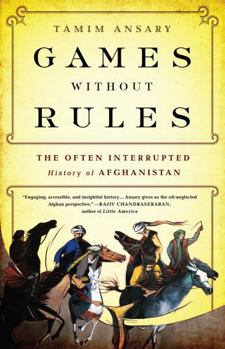
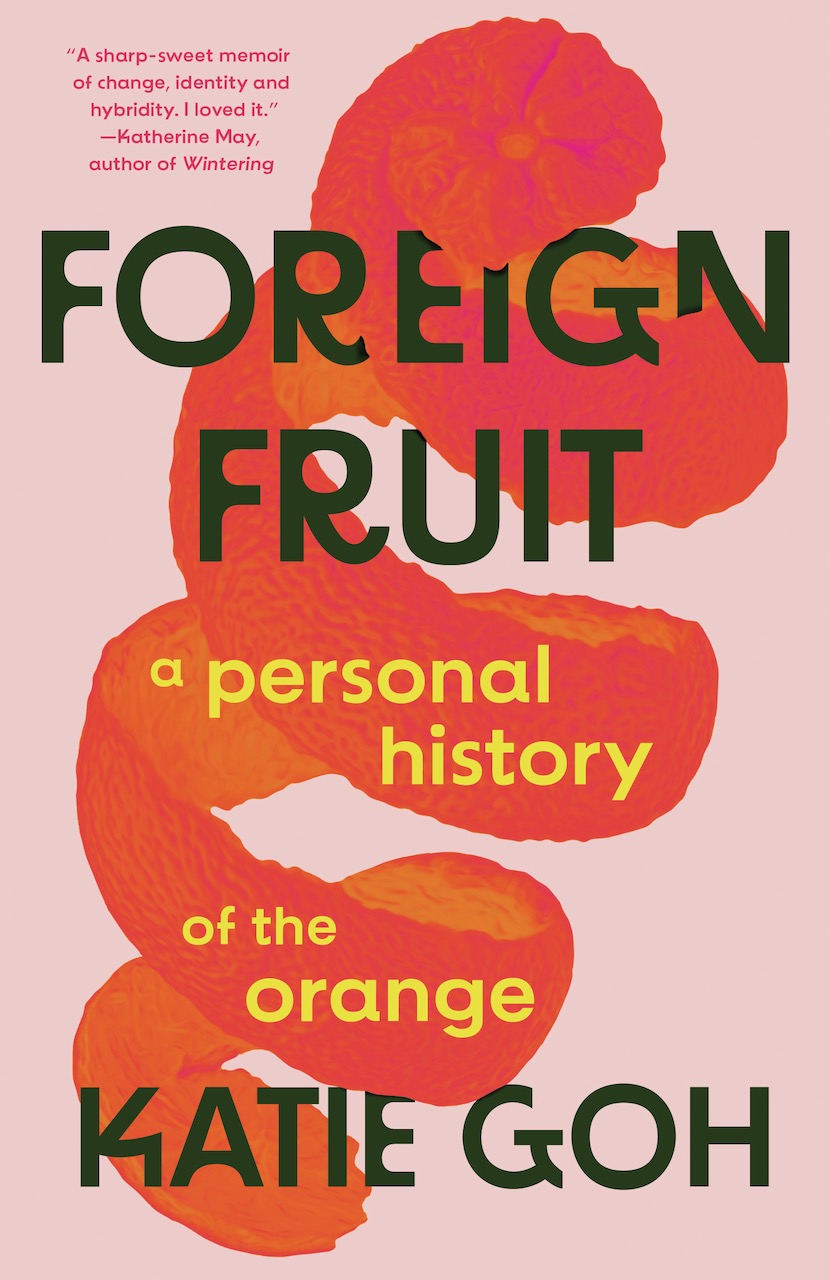
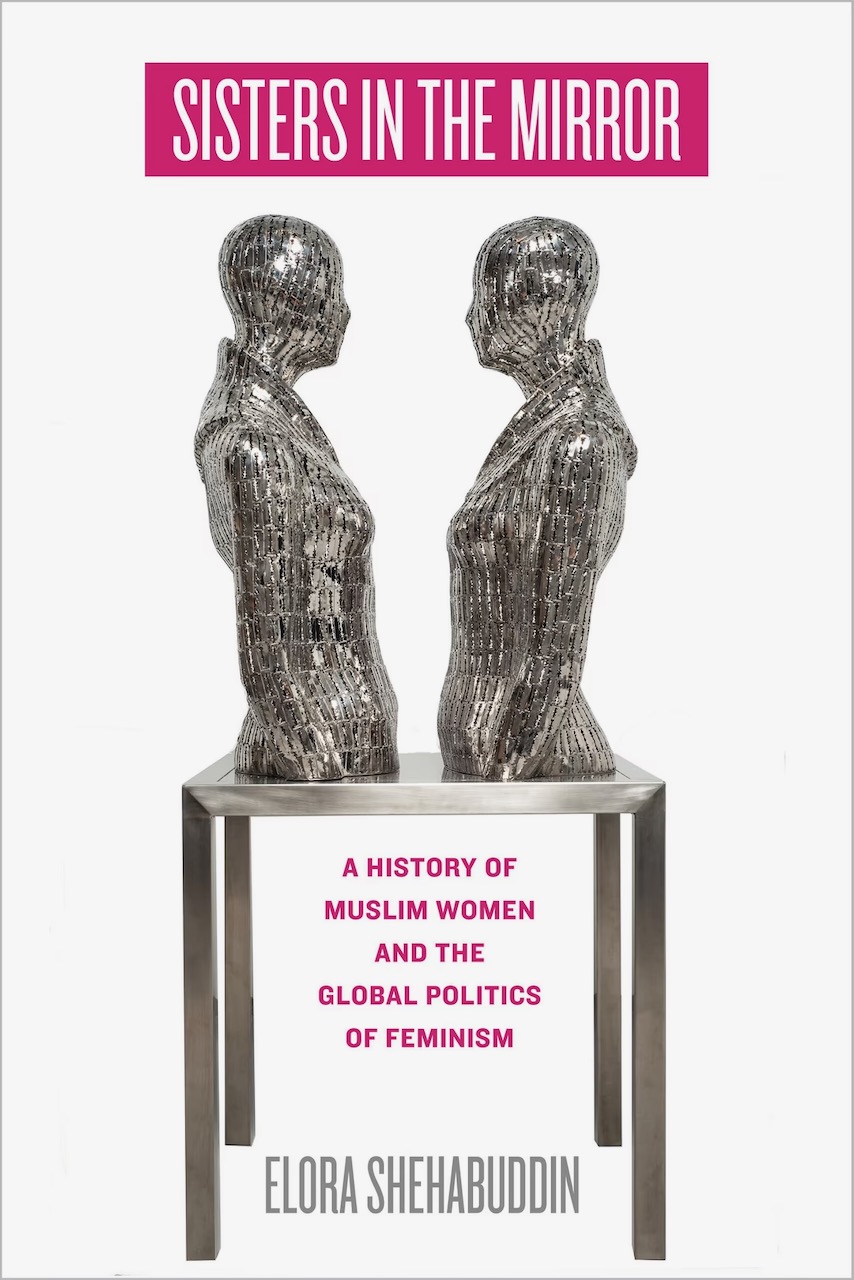
If I were advising an undergraduate, I would 100% tell them to do the research and then write the paper. But this process has been somewhat…organic. Disorganized. Iterative? My fictional world is more nuanced now, and better. I am up to my ears in research, and that is exactly where I want to be.

